HEALTH AND BALANCED DIET 
health is a complicated concept that encompasses many aspects of well-being, including physical, mental and social dimensions. It is a state of complete physical, mental and social well-being, not merely the absence of disease or infirmity. Staying healthy is essential to living a full and productive life.
Health care plays an important role in maintaining good health. Regular health checkups, examinations, and vaccinations can help detect and prevent diseases early. It is important to watch your physical condition and see a doctor immediately if you have any unusual symptoms.

Improving health requires consideration of broader social factors such as access to healthcare, education, employment and living conditions. Health inequalities exist due to socio-economic and environmental factors, and efforts should be made to provide all people with equal opportunities to achieve and maintain good health.
In summary, health is a holistic concept that includes physical, mental and social well-being. Taking care of your body through exercise, diet and rest, nurturing your mental health through stress management and self-care, and building meaningful social connections are all important to staying healthy. By prioritizing preventative medicine and considering the social factors that affect health, we can aim for a healthier and more fulfilling life.
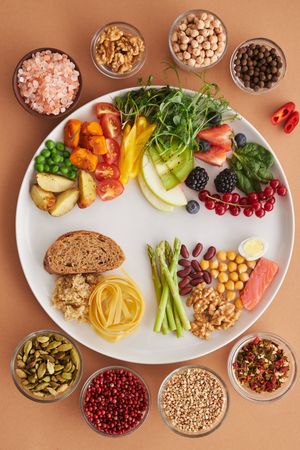
Balanced nutrition:
Good nutrition involves consuming a balanced combination of macronutrients (carbohydrates, proteins, fats) and micronutrients (vitamins, minerals) to support overall health. Incorporate a variety of whole foods into your daily diet, including fruits, vegetables, whole grains, lean proteins, and healthy fats.

Part control:
Pay attention to portion sizes to avoid overeating. Moderation is important because consuming too many calories can lead to weight gain and associated health problems. Watch your portions and pay attention to your body's hunger and satiety signals. Adequate hydration:
Drink plenty of water throughout the day to stay hydrated. Water is essential for various bodily functions such as digestion, circulation, and thermoregulation. Avoid overdosing on sugary drinks and choose water as your main drink.

Fruits and vegetables:
Include a variety of colorful fruits and vegetables in your diet. They are rich in essential vitamins, minerals, antioxidants and fiber that contribute to overall health and reduce the risk of chronic disease. Full grain:
Choose whole grains instead of refined grains. Whole grains such as whole grain bread, brown rice and oats retain their natural fiber, vitamins and minerals. They provide sustained energy and help regulate blood sugar levels.

Lean protein:
Include lean protein sources such as chicken, fish, legumes, nuts, and tofu in your diet. Protein is essential for tissue repair, muscle maintenance, and the production of enzymes and hormones. healthy fats:
Include healthy fat sources like avocados, nuts, seeds, and olive oil in your diet. These fats provide essential fatty acids and support heart health. Limit saturated and trans fats in fried foods, processed snacks, and fatty meats.

Limit added sugar and processed foods:
Minimize intake of sugary foods and drinks. B. Sodas, candies, pastries, sweet cereals. Processed foods often contain unhealthy additives, excess salt, and unhealthy fats. Whenever possible, choose whole foods with minimal processing. 
Mindful Eating:
Practice mindful eating by paying attention to your food choices, chewing slowly and enjoying each bite. This exercise helps tune into your body's signals of hunger and satiety, promoting a healthier relationship with food.
Personal needs and preferences:
Keep in mind that everyone's nutritional needs may vary based on age, gender, activity level and underlying health. It's important to talk to your doctor or registered dietitian to customize your diet according to your own specific needs and preferences. By following these guidelines and maintaining a consistent and balanced approach to nutrition, you can support your overall health and well-being through proper nutrition.
Comments
Post a Comment